
Nuclear power plants in India which is fifth-largest source of electricity in India.After Coal,Gas,Hydroelectricity and Wind power.As of March 2018,India has 22 nuclear reactors in operation in 7 nuclear power plants in India estimating with total capacity of 6,760 MW.Nuclear power produced a total of 35 TW and supplied 3.22 percent of Indian industry in 2017.seven more reactors are under construction process and a combined generators capacity of 4,283 MW.
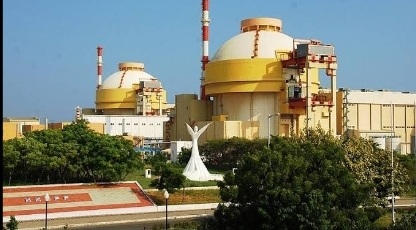
In October 2010,India drew up a plan to reach a nuclear power capacity of 63GW in 2032 However,following the 2011 Fukushima nuclear disaster there have been numerous anti-nuclear protests at proposed nuclear deal sites.There have been mass protection aganist the jaitpur Nuclear power plant in Maharashtra and the Kudankulam Nuclear power plant in Tamil nadu, and a proposed large nuclear power plant near harripur was refused permission by the governments of west bengal.A public Interest litigation(PIL) has also been filed aganist the government’s civil nuclear programme at the supreme court. Nuclear power in india has suffered from generally low capacity factors.As of 2017, the lifetime weighted energy availability factors of the Indian fleet is 63.5% However Capacity factors have been reactors was 69.4% in the years 2015-2017.One of the main reason for the low flow of capacity factor is lack of nuclear power plant in India. Today nuclear radiator is highly expose with radiation and toxic flu that can cause demage to environment .so people of jaitpur want put algiation to nuclear industries because majority of people killed by Fukushima nuclear disaster cos there is threat that people don’t want any more nuclear factories built any more in india.
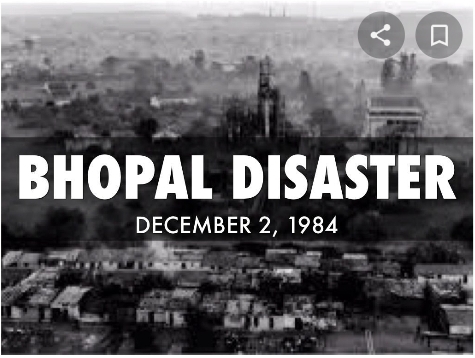
You know about Bhopal gas tragedy this incident tooj place on 3 December 1984 due to gas leak at factory in Madhya Pradesh India.
It is considered as worst industrial disaster to happen in world. Around 500,000 people are exposed with methy isocyanate (MIC)gas which is highly toxic substances made it way into and around town located near the plant.
Estimates vary on the death toll.The official immediate death toll was 2,259.In 2008 government of Madhya Pradesh has paid compensation to there family members of 3,737 victims killed in the gas release, and to 574,366 injuried victims. A Government affidavit in 2006 stated that the leak caused 558,125 injuries,including 38,478 temporary partial injuries and approximately 3,900 severely and permanently disabling injuries.Other estimate that 8000 died within two weeks,and another 8000 or more have since died from gas related diseases.The cause of the disaster remain under debate.the Indian government and local activists argue that slack management and deferred maintanance caused a backflow of water into a MIC tank, triggering the disaster Union Carbide Corporation (UCC) argue water entered the tank through an act of sabotage. The owner of the factory, UCIL,was majority oned by UCC, with Indian Government-controlled banks and the Indian public holding a 49.1 percent stake.In 1989,UCC paid $470 millions (equilvalent to $845 million in 2018) to settle litigantion stemming from the disaster.In 1994, UCC sold its stake in UCC to everready Industries India limited (EIIL).Which subsequently merged with McLeod Russel(India)Ltd.Every ended clean-up on the site in 1998.when it terminated its 99 year lease and turned over control of the site to the State government of Madhya pradesh.Dow chemical company purchased UCC in 2001 seventeen years after the disaster.
 Economical inflammation in India